
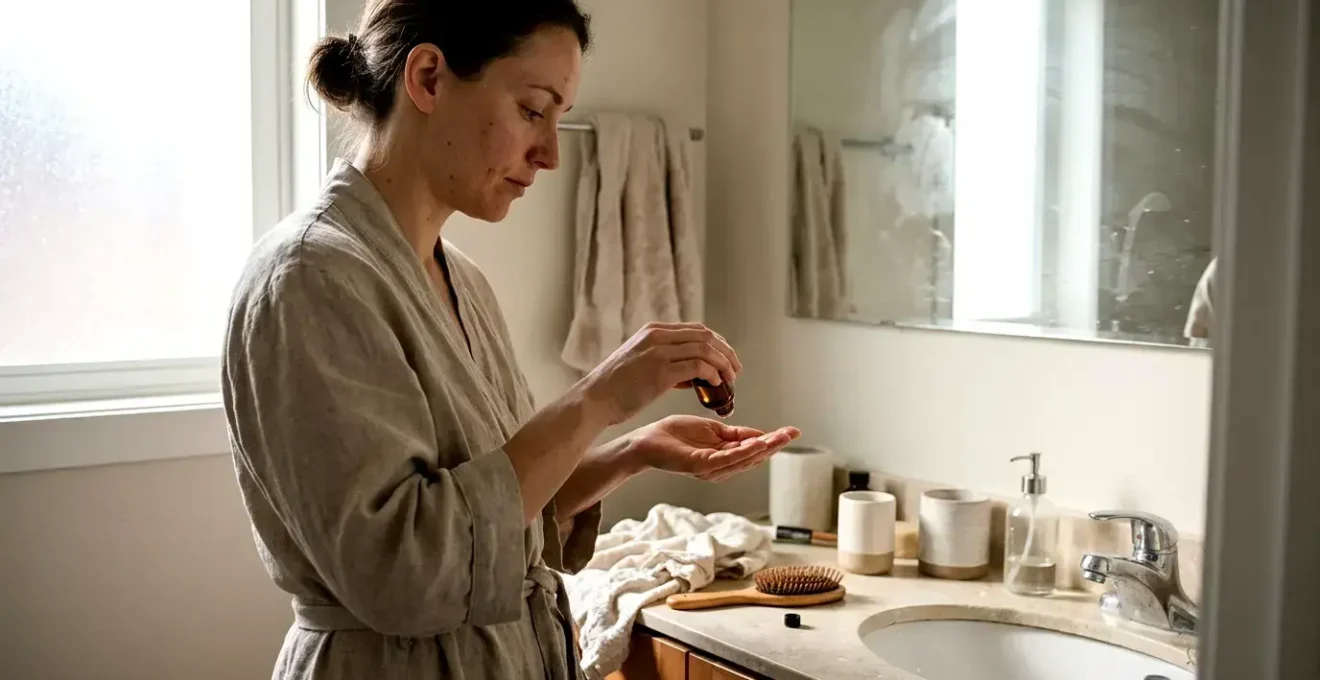
Natural beauty habits can contribute to a healthier personal wellness lifestyle when they support comfort, confidence and everyday balance rather than becoming another set of expectations to meet. A manageable approach combines simple skincare, thoughtful grooming, adequate rest and sustainable purchasing decisions. It does not require expensive products, a complicated morning routine or dramatic changes in appearance.
The most useful starting point is to consider how each habit affects everyday life. A skincare ritual should feel comfortable, personal care spending should reflect actual priorities, and lifestyle choices should remain realistic when work or family responsibilities become demanding. Natural ingredients can be part of this approach, but natural does not automatically mean safer or more effective. The objective is to develop a flexible relationship with beauty and self-care that respects individual needs, available time and financial limits.
Ultimately, a sustainable wellness lifestyle is less about doing more and more about choosing habits that remain worthwhile over time. Small actions, adjusted to changing circumstances, can create a more balanced approach to personal care without turning wellbeing into a performance.
Natural Beauty and Everyday Wellbeing: Key Principles
- Choose beauty habits that support personal comfort and enjoyment instead of responding to constant appearance-related pressure.
- Prioritise affordable foundations such as sleep, manageable skincare and thoughtful product use rather than accumulating unnecessary purchases.
- Build a flexible routine with a few realistic habits, simple alternatives for busy days and occasional reviews of what genuinely works.
- Why Can Constantly Trying to Improve Your Appearance Make You Feel Less Confident?
- How to Build a Personal Wellness Routine on a Limited Monthly Budget?
- Mindful Skincare or Daily Journaling: Which Better Fits Your Self-Care Goals?
- Why Tracking Every Self-Care Habit Can Become Counterproductive
- When Should You Reassess Your Wellness Routine After a Major Lifestyle Change?
- Why Overly Strict Self-Care Routines Can Increase Everyday Stress
- How to Reduce Bathroom Beauty Waste Without Throwing Away Usable Products?
- How to Build a Holistic Wellness Routine That Fits a Busy Working Week?
Why Can Constantly Trying to Improve Your Appearance Make You Feel Less Confident?
Constantly trying to improve your appearance can gradually undermine confidence when personal care becomes a continuous search for perceived imperfections. Comparing skin, hair or body shape with carefully selected images online can create unrealistic expectations. Instead of enjoying grooming and skincare, a person may begin treating every natural feature as something that needs correction. Confidence is more likely to develop when beauty habits are guided by personal comfort and choice rather than the fear of judgement.
Social comparison is particularly relevant in environments where edited photographs, beauty trends and product recommendations appear throughout the day. A systematic review and meta-analysis published in Body Image examined 83 studies involving 55,440 participants. It identified a positive association between online social comparison and body image concerns (r = 0.454; 95% CI: 0.409–0.498), as well as an association with eating disorder symptoms (r = 0.36; 95% CI: 0.28–0.43). 55,440 participants were involved in the examined studies. Higher comparison was also associated with lower positive body image.
83 studies · 55,440 participants
The systematic review found significant associations between online social comparison, body image concerns and eating disorder symptoms. These findings describe associations, not proof that every form of beauty-related self-evaluation causes reduced confidence.
Evidence: Systematic review and meta-analysis on social media comparison and body image.
This distinction matters when developing a natural beauty routine. A person who enjoys washing their face, applying moisturiser or caring for their hair may experience these activities as pleasant moments of attention. Someone following the same activities because they fear looking imperfect may experience them as obligations. The physical actions can be identical, but their psychological meaning is different.
A useful personal test is to ask one question before adding a habit: would this activity still feel worthwhile if nobody else could see the result? If the answer is yes, it may reflect an authentic preference. If the answer is no, it may be worth reconsidering the pressure behind the decision.
Natural ingredients and simple routines can support personal preferences, but they should not be treated as guaranteed solutions for confidence or emotional wellbeing. The U.S. Food and Drug Administration also cautions consumers against assuming that naturally sourced cosmetic ingredients are automatically safer than ingredients from other sources. FDA guidance on using cosmetics safely offers a useful reminder to evaluate products on their actual characteristics rather than their marketing labels.
When beauty habits become expressions of personal choice, they can occupy a healthier place within everyday wellbeing. The next step is ensuring that those habits remain financially manageable rather than creating another source of pressure.
How to Build a Personal Wellness Routine on a Limited Monthly Budget?
A personal wellness routine can remain effective on a limited monthly budget by prioritising everyday comfort, reducing unnecessary purchases and choosing habits that require little or no spending. The most practical approach is to distinguish essential personal care from optional pleasures and products whose benefits are difficult to assess. A sustainable routine does not depend on purchasing an entire natural beauty collection or replacing every conventional product at once.
Start by dividing existing beauty expenses into three categories:
- Essential for comfort: products and services that meet genuine personal care needs, such as suitable cleansing products, basic moisturising or necessary grooming items.
- Discretionary pleasures: occasional treatments, additional beauty products or accessories that provide enjoyment but are not essential.
- Unclear added value: purchases motivated mainly by trends, repeated marketing claims or the expectation of correcting minor imperfections without a clearly identifiable benefit.
This classification makes it easier to identify where money can be saved without sacrificing useful habits. For example, someone who already has a comfortable skincare routine may not need another serum simply because a new ingredient has become popular.
Some of the most useful foundations of personal wellbeing require little financial investment. Consistent sleep opportunities, drinking water according to individual needs, taking short breaks and managing daily stress can contribute to a healthier lifestyle. The CDC identifies good sleep as important for physical health and emotional wellbeing. Its guidance recommends at least seven hours of sleep per day for adults aged 18–60, with different recommendations for older age groups. CDC guidance on sleep and health provides age-specific information.
Product replacement also deserves attention. Instead of buying an entirely new natural skincare collection, replace one conventional product only when it is finished, provided the existing product remains suitable. Compare ingredients, intended use, price per quantity and personal tolerance before making the decision. A natural alternative is not automatically cheaper or better suited to every skin type.
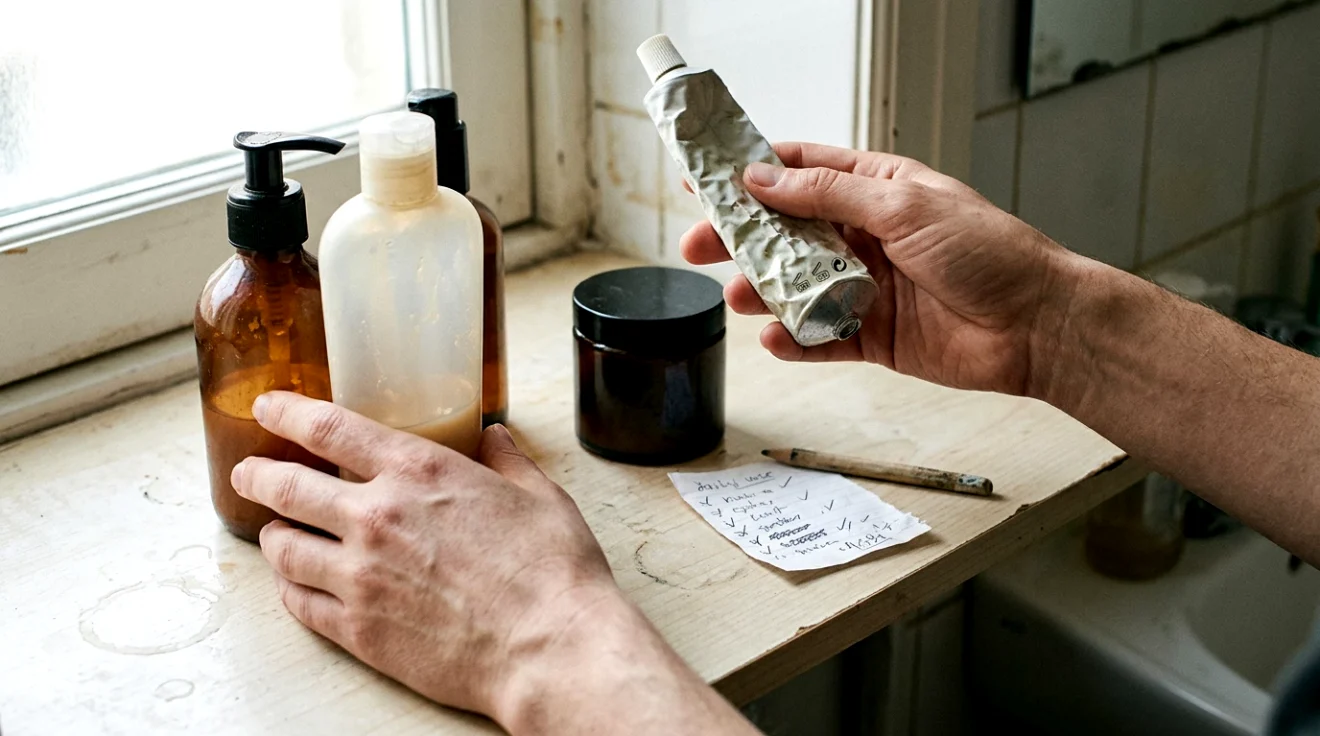
For someone with almost no discretionary budget, the distinction between free advice and low-cost shopping recommendations is especially important. A routine described as minimalist may still involve multiple inexpensive purchases. Genuine low-cost self-care can instead involve using existing products appropriately, maintaining basic hygiene, getting adequate rest and spending time outdoors when practical.
Financial simplicity also makes a routine easier to maintain. Once unnecessary expenses have been reduced, the remaining challenge is choosing activities that offer the kind of self-care a person actually needs.
Mindful Skincare or Daily Journaling: Which Better Fits Your Self-Care Goals?
Mindful skincare and daily journaling can both support personal self-care, but they serve different purposes. Mindful skincare offers a sensory activity that encourages attention to the present moment, while journaling provides an opportunity to organise thoughts and reflect on emotions. The better choice depends on available time, personal preferences and the kind of mental or physical support someone is seeking. Neither practice is universally superior.
Three practical criteria can help guide the decision.
| Criterion | Mindful skincare | Daily journaling |
|---|---|---|
| Primary focus | Skin comfort and sensory awareness | Thought organisation and reflection |
| Time commitment | Can be incorporated into an existing skincare routine | Requires a separate writing moment, although it can be brief |
| Personal approach | Touch, texture, temperature and attention to skincare steps | Writing about experiences, priorities, emotions or concerns |
| Potential limitation | May feel like another grooming obligation | May feel demanding when writing is already tiring |
The type of everyday fatigue can also influence the choice. Someone who spends long periods looking at screens and responding to notifications may appreciate a short, screen-free skincare ritual. The attention required to apply a familiar product slowly can provide a simple transition between activities. Someone whose thoughts feel crowded by unfinished tasks or personal concerns may find journaling more useful because writing creates space to organise those thoughts.
A two-week experiment can help clarify personal preferences without turning self-care into a performance. During the first week, try a short mindful skincare session on several suitable days. During the second week, test a brief journaling practice. After each session, make a simple observation about energy, comfort and satisfaction. There is no need to record every detail or aim for perfect consistency.
The practices can also be combined. A five-minute skincare ritual followed by a few written reflections may fit naturally into an evening routine. However, combining them should remain optional. Adding activities simply because they appear productive can undermine the relaxation they are intended to provide.
Once a suitable activity has been selected, the next challenge is preserving its benefits without creating an excessive system of reminders, measurements and daily performance targets.
Why Tracking Every Self-Care Habit Can Become Counterproductive
Tracking every self-care habit can become counterproductive when the process creates more pressure than the activities themselves relieve. A habit tracker should help someone notice useful patterns, not become a daily measure of personal worth. When every missed skincare session, unfinished journal entry or interrupted wellness activity feels like a failure, the tracking system may be undermining the original purpose of self-care.
The problem often begins with an apparently helpful idea: recording every action will create accountability and improve consistency. However, as the list grows, attention can shift away from the experience itself. A person may start focusing on maintaining an uninterrupted sequence of completed tasks instead of asking whether those tasks still provide value.
There is an important distinction between selective observation and exhaustive monitoring:
- Useful tracking: observing one relevant variable, such as sleep quality or general energy levels, over a reasonable period to identify possible patterns.
- Exhaustive tracking: recording every product used, every glass of water, each grooming step and every self-care activity, regardless of whether the information changes a decision.
For many adults, the second approach adds administrative work to an already demanding day. It can also encourage unnecessary self-criticism when routines are interrupted by illness, travel, work responsibilities or ordinary changes in energy.
A practical warning sign is the emotional response to missing an activity. If skipping a particular habit produces more stress than completing it provides satisfaction, it may be time to simplify the habit or stop tracking it. A routine should support daily life rather than compete with it.
One alternative is a ten-minute weekly review. Instead of updating multiple trackers every day, take a short period at the end of the week to consider which habits felt useful, which were difficult to maintain and whether any adjustments are needed. Keep only the information that helps guide a decision.
Even a simplified tracking system needs to reflect real circumstances. When those circumstances change substantially, the routine should be reviewed rather than maintained automatically.
When Should You Reassess Your Wellness Routine After a Major Lifestyle Change?
A wellness routine should be reassessed whenever a major lifestyle change affects the time, energy, resources or priorities available for personal care. Moving home, starting a different job, welcoming a child, changing seasons or recovering from an interruption in regular activity can all alter what is realistic. A routine that once felt manageable may become unnecessarily demanding under new circumstances.
Changes in daily structure are particularly important. Someone who previously had a predictable morning may find that a new working schedule leaves little time for extended grooming. A person moving to a different climate may also discover that existing skincare habits no longer provide the same level of comfort. These changes do not necessarily mean the previous routine was unsuitable; its original context may simply no longer exist.
A useful reassessment can be organised around three questions:
- Which habit has become unrealistic? Identify activities that are repeatedly postponed because available time or energy has changed.
- Which habit has become more important? Consider whether sleep, basic skincare, relaxation or another existing practice deserves greater attention under the new circumstances.
- Which habit can be simplified? Look for steps that can be shortened or removed without losing a meaningful personal benefit.
It is usually better to respond to early warning signs than to wait until the entire routine has been abandoned. Repeatedly postponing the same activity, feeling constrained by a beauty schedule or losing enjoyment in familiar self-care practices can indicate that an adjustment is needed.
For example, an individual who previously enjoyed a lengthy evening skincare routine might temporarily reduce it to essential steps during a demanding work period. This is not necessarily a loss of commitment. It is an adjustment that recognises the importance of preserving a manageable routine.
Reassessment should also account for changing financial circumstances and product needs. There is little value in maintaining recurring purchases that no longer fit a budget or in continuing to use products that no longer feel suitable.
This flexibility becomes even more important when the routine itself starts feeling restrictive. A manageable system needs room for missed days, unexpected commitments and different levels of energy.
Why Overly Strict Self-Care Routines Can Increase Everyday Stress
Overly strict self-care routines can increase everyday stress because they turn personal wellbeing into another set of obligations. When every activity must happen at a precise time and in a specific sequence, ordinary interruptions can create frustration or guilt. A healthier approach allows flexibility while protecting the habits that genuinely matter. The goal is consistency that supports everyday life, not perfect execution.
Some habits can provide value even when they are not performed every day. Examples include occasional journaling, preparing personal care supplies in advance and periodically reviewing product purchases. Their usefulness does not necessarily depend on an uninterrupted daily schedule.
Other activities may benefit more from regularity. Basic hygiene and following appropriate skincare instructions, for example, are easier to maintain when they have a familiar place in the day. Even then, an excessively elaborate routine is not automatically more beneficial than a simple one.
A practical solution is to create a minimum version of each important habit. The standard version can remain available when time and energy allow, while a shorter alternative provides flexibility on demanding days.
| Habit | Usual version | Minimum version |
|---|---|---|
| Skincare | Complete familiar morning or evening routine | Essential cleansing and moisturising steps, when appropriate |
| Journaling | Write a longer reflection | Record one thought or priority |
| Relaxation | Enjoy a longer screen-free break | Pause briefly and step away from immediate demands |
| Personal grooming | Complete several preferred grooming activities | Focus on the most necessary task |
This approach reduces all-or-nothing thinking. Missing a planned activity no longer means that the entire day has been wasted. It also allows people to respond to differences in workload, sleep, physical comfort and emotional energy without abandoning their broader intentions.
Another important consideration is the emotional cost of perfectionism. A routine that creates frequent guilt may be less supportive than a simpler alternative, even if the more elaborate version includes additional activities. Personal wellbeing should account for the experience of maintaining a habit, not only the number of completed steps.
Flexibility also has practical environmental benefits. When personal care is no longer driven by constant upgrades and replacement, it becomes easier to use existing products responsibly and reduce avoidable bathroom waste.
How to Reduce Bathroom Beauty Waste Without Throwing Away Usable Products?
Bathroom beauty waste can be reduced without throwing away usable products by taking inventory, finishing suitable items and replacing them gradually. A zero-waste approach should not involve automatically discarding conventional cosmetics or purchasing an entirely new collection of sustainable alternatives. The most practical strategy is to reduce unnecessary consumption while paying attention to product condition, storage and manufacturer guidance.
Begin with a simple inventory of everything currently used for skincare, haircare and grooming. Divide products into three groups:
- Products to finish: suitable items that are still within their recommended period of use and have been stored appropriately.
- Products to offer or exchange: unopened, suitable items that are not needed personally, where sharing is appropriate and hygienic.
- Products to discontinue: items that are expired according to applicable guidance, visibly deteriorated, contaminated or otherwise unsuitable for continued use.
This prevents the common mistake of treating sustainability as a reason for an immediate bathroom purge. Buying replacements before existing products are finished can increase spending and create additional packaging waste.
Product storage also matters. Heat, moisture, exposure to air and repeated contact with hands or applicators can affect cosmetic quality. Closing containers properly, using clean hands or suitable applicators and following the manufacturer’s storage instructions can help reduce avoidable deterioration.
Checking the period-after-opening symbol on packaging is another useful habit. This symbol indicates the period during which a product is intended to remain suitable after opening under the conditions specified by the manufacturer. The recommended period varies by formulation and product type.
The U.S. FDA explains that cosmetic shelf life depends on the product, how it is used and how it is stored. Its guidance also notes that manufacturers commonly recommend discarding mascara two to four months after purchase because repeated use can expose it to bacteria and fungi. This recommendation is specific to mascara, not a universal disposal rule for skincare products. FDA guidance on cosmetic shelf life and expiration dates explains these considerations.
Changes in smell, colour or texture can be warning signs of deterioration, but normal appearance does not guarantee that a product remains safe. When the condition is uncertain, follow manufacturer instructions rather than relying on a simple smell or texture test.

Once a product is finished, consider whether a refill, a recyclable container or a simpler alternative is genuinely available. Reusable packaging can be helpful when it is compatible with the product and can be cleaned according to the manufacturer’s instructions. Not every container is suitable for indefinite reuse, particularly when hygiene or formulation stability may be affected.
Reducing waste is therefore not about replacing everything with products labelled natural, organic or eco-friendly. It is about making fewer unnecessary purchases, extending appropriate use and selecting replacements carefully.
These purchasing and storage decisions become easier when they are incorporated into a broader routine. The final step is bringing skincare, grooming and everyday wellbeing together in a schedule that remains realistic during a busy working week.
Key Takeaways Before Building a Weekly Routine
- Choose a small number of habits that address genuine personal needs instead of accumulating activities to meet an idealised beauty standard.
- Preserve flexibility through shorter alternatives, especially when work, family responsibilities or energy levels change.
- Make sustainability part of normal purchasing decisions by finishing suitable products and reviewing the routine before introducing new ones.
How to Build a Holistic Wellness Routine That Fits a Busy Working Week?
A holistic wellness routine can fit a busy working week when personal care habits are connected to activities that already exist in the daily schedule. Rather than creating several new appointments, use familiar moments such as waking up, preparing for work or transitioning into the evening. A manageable routine usually focuses on three to five meaningful habits, with simpler alternatives available when time is limited.
The first step is to identify natural opportunities within the existing day. A short skincare routine can follow morning hygiene, while a brief reflection can take place before going to bed. A screen-free pause might fit between finishing work and starting household responsibilities. These connections reduce the effort required to remember and organise additional activities.
Next, select habits that complement rather than compete with one another. A practical combination might include:
- Morning: basic skincare, personal grooming and a moment to prepare for the day.
- During work: short breaks, appropriate hydration and a chance to move away from the screen when possible.
- Evening: a simple skincare routine, preparation for the next day and a relaxing activity.
- Weekly: a brief review of personal care spending, product use and the habits that felt most worthwhile.
Sleep should also remain part of the broader picture. For adults aged 18–60, the CDC recommends at least seven hours per day. This is a population-level recommendation, not a guarantee that an identical sleep schedule will suit every individual. A routine that consistently sacrifices rest to accommodate additional beauty activities is unlikely to support balanced wellbeing.
To make the system more sustainable, define a minimum version of each important habit. A full skincare routine can become a shorter essential routine on a demanding evening. A longer journal entry can become one written observation. A weekly review can be postponed when circumstances genuinely require it rather than becoming another source of guilt.
Five Practical Steps to Create a Sustainable Weekly Wellness Routine
- Review your current habits: write down the personal care activities already performed during a typical day. Deliverable: a short inventory of existing habits.
- Choose three to five priorities: select the activities that provide the greatest practical value for comfort, rest or personal satisfaction. Deliverable: a prioritised list.
- Connect each habit to an existing moment: assign each activity to a familiar part of the day rather than adding unnecessary appointments. Deliverable: a simple morning, workday and evening schedule.
- Create a minimum version: define a shorter alternative for each priority that remains manageable on difficult days. Deliverable: a written plan B for every selected habit.
- Schedule a light weekly review: spend approximately ten minutes considering what worked, what felt demanding and what should change. Deliverable: one practical adjustment for the following week.
Another important principle is substitution rather than accumulation. When a new activity seems useful, consider whether it should replace an existing habit instead of being added to an already full schedule. This prevents a wellness routine from gradually becoming an extensive list of obligations.
Personalisation also matters. A person who enjoys natural skincare may choose to devote more attention to product selection, while someone with limited time may prefer a very short grooming routine and a longer opportunity to relax. Neither approach needs to follow a universal template.
The most meaningful measure of success is not a dramatic change in appearance or an uninterrupted record of completed activities. It is whether personal care remains comfortable, affordable and sustainable while supporting a healthier relationship with everyday wellbeing. Start with a few habits, observe how they fit into real life and adjust them whenever circumstances change.
What are the most important natural beauty habits to include in a wellness routine?
Start with simple habits that support everyday comfort, such as appropriate cleansing, moisturising when needed, gentle grooming, adequate sleep and thoughtful product use. The most suitable choices depend on individual preferences, skin needs, available time and budget. Natural ingredients can be included, but their origin alone does not establish safety or effectiveness.
Can a natural beauty routine be effective without expensive products?
Yes. A manageable routine does not require a large collection of products. Using suitable products consistently, avoiding unnecessary purchases, maintaining basic hygiene and supporting general wellbeing through adequate rest can all form part of an affordable approach. Product selection should be based on suitability and individual needs rather than price or marketing claims.
Are natural skincare products always safer than conventional cosmetics?
No. Natural origin does not automatically mean that an ingredient or finished cosmetic product is safer. Some naturally sourced ingredients can cause irritation or allergic reactions, while other ingredients may be suitable for many users. Check product information, follow instructions and consider individual sensitivities when choosing skincare.
How many self-care habits should a busy adult maintain each day?
There is no universal number that suits everyone. A practical starting point is to focus on three to five meaningful habits across the day, including existing personal care activities. The priority should be whether the habits remain manageable and useful, not how many activities can be completed.
How often should a personal wellness routine be reviewed?
A brief weekly review can help identify habits that feel useful or unnecessarily demanding. A more substantial reassessment is appropriate after significant changes such as moving home, starting a new job, changing family responsibilities or experiencing a different level of available time and energy. A routine should evolve as personal circumstances change.